Vaccine.Photo: Ben Hasty/MediaNews Group/Reading Eagle via GettyThe U.S. Food and Drug Administration is expected to announcethe authorization of COVID-19 booster shotsfor immunocompromised people, according toThe New York Times.A third dose of the Pfizer-BioNTech and Moderna vaccines would be approved for emergency use to help those with weakened immune systems, per the report. The announcement could come as soon as this week.The move comes as the Delta variant rips across the United States. The strain currently makes up more than 94% of the nation’s COVID-19 cases, according todata from the Centers for Disease Control and Prevention.According to theTimes, about 3% of Americans have weakened immune systems. The reasons vary, as does severity, leading some scientists to argue against such a blanket authorization.On Thursday, Dr. Anthony Faucitold NPR’sMorning Editionthat the need is “so imminent” for people with immune deficiencies who likely “never got a very good immune response to begin with.“Rep. Steve Scalise.Rep. Steve Scalise"I think that’s the thing that people need to understand to avoid confusion about the durability of response [to the vaccine],” the 80-year-old infectious disease expert said, noting, “they never got to a level of protection as a whole.““When you examine them as a group, people who are immune-compromised, they never really got up high enough to feel that they were protected,” he added about the importance of the booster.The new emergency authorization will cover individuals who have undergone solid organ transplants as well as those with similarly compromised immune systems, a source tells theTimes. Studies have shown these patients to be of increased need for a third dose of a vaccine.Opposition to the emergency authorization is not limited to health concerns. The World Health Organization is urging developed countries like the U.S. to forgo booster shots for now as less wealthy countries struggle to inoculate their respective populations.ANNA MONEYMAKER/POOL/AFP via GettyFauci believes it is possible to do both. “I feel very strongly, and I’ve been very vocal about that, that we have a responsibility as a rich nation — and other rich nations — to make sure that there’s equity in the ability to distribute and the accessibility of vaccines,” he told NPR.“However, the United States is really doing both. If you look at what we are doing, we’ve essentially done more than virtually all the other countries combined,” he said of the 110 million doses distributed to 60 countries, 80 million doses distributed across the U.S. and $4 billion given to COVAX, the WHO’s initiative to provide equitable access to vaccines globally.Fauci admitted those numbers are not high enough and said “the [Biden] administration knows that.““That’s the reason why we’re planning to do even more,” Fauci continued.Dr. Anthony Fauci.Susan Walsh/AP/Bloomberg via GettyAs was the case with previous COVID-19 vaccine approvals, an advisory committee for the CDC will consider the emergency authorization for a third shot of Pfizer and Moderna. The CDC can issue a recommendation the same day. (The committee is scheduled to meet on Friday.)The path forward for immunocompromised individuals that received the Johnson & Johnson vaccine remains unclear. The FDA is awaiting the results of clinical trial data on the safety and efficacy of two doses before determining whether or not to expand the use of the single-dose vaccine, theTimesreported.In April, France began offering additional vaccine doses to certain individuals with poor immune responses. Germany and Hungary have done so as well.
Vaccine.Photo: Ben Hasty/MediaNews Group/Reading Eagle via Getty

The U.S. Food and Drug Administration is expected to announcethe authorization of COVID-19 booster shotsfor immunocompromised people, according toThe New York Times.A third dose of the Pfizer-BioNTech and Moderna vaccines would be approved for emergency use to help those with weakened immune systems, per the report. The announcement could come as soon as this week.The move comes as the Delta variant rips across the United States. The strain currently makes up more than 94% of the nation’s COVID-19 cases, according todata from the Centers for Disease Control and Prevention.According to theTimes, about 3% of Americans have weakened immune systems. The reasons vary, as does severity, leading some scientists to argue against such a blanket authorization.On Thursday, Dr. Anthony Faucitold NPR’sMorning Editionthat the need is “so imminent” for people with immune deficiencies who likely “never got a very good immune response to begin with.“Rep. Steve Scalise.Rep. Steve Scalise"I think that’s the thing that people need to understand to avoid confusion about the durability of response [to the vaccine],” the 80-year-old infectious disease expert said, noting, “they never got to a level of protection as a whole.““When you examine them as a group, people who are immune-compromised, they never really got up high enough to feel that they were protected,” he added about the importance of the booster.The new emergency authorization will cover individuals who have undergone solid organ transplants as well as those with similarly compromised immune systems, a source tells theTimes. Studies have shown these patients to be of increased need for a third dose of a vaccine.Opposition to the emergency authorization is not limited to health concerns. The World Health Organization is urging developed countries like the U.S. to forgo booster shots for now as less wealthy countries struggle to inoculate their respective populations.ANNA MONEYMAKER/POOL/AFP via GettyFauci believes it is possible to do both. “I feel very strongly, and I’ve been very vocal about that, that we have a responsibility as a rich nation — and other rich nations — to make sure that there’s equity in the ability to distribute and the accessibility of vaccines,” he told NPR.“However, the United States is really doing both. If you look at what we are doing, we’ve essentially done more than virtually all the other countries combined,” he said of the 110 million doses distributed to 60 countries, 80 million doses distributed across the U.S. and $4 billion given to COVAX, the WHO’s initiative to provide equitable access to vaccines globally.Fauci admitted those numbers are not high enough and said “the [Biden] administration knows that.““That’s the reason why we’re planning to do even more,” Fauci continued.Dr. Anthony Fauci.Susan Walsh/AP/Bloomberg via GettyAs was the case with previous COVID-19 vaccine approvals, an advisory committee for the CDC will consider the emergency authorization for a third shot of Pfizer and Moderna. The CDC can issue a recommendation the same day. (The committee is scheduled to meet on Friday.)The path forward for immunocompromised individuals that received the Johnson & Johnson vaccine remains unclear. The FDA is awaiting the results of clinical trial data on the safety and efficacy of two doses before determining whether or not to expand the use of the single-dose vaccine, theTimesreported.In April, France began offering additional vaccine doses to certain individuals with poor immune responses. Germany and Hungary have done so as well.
The U.S. Food and Drug Administration is expected to announcethe authorization of COVID-19 booster shotsfor immunocompromised people, according toThe New York Times.
A third dose of the Pfizer-BioNTech and Moderna vaccines would be approved for emergency use to help those with weakened immune systems, per the report. The announcement could come as soon as this week.
The move comes as the Delta variant rips across the United States. The strain currently makes up more than 94% of the nation’s COVID-19 cases, according todata from the Centers for Disease Control and Prevention.
According to theTimes, about 3% of Americans have weakened immune systems. The reasons vary, as does severity, leading some scientists to argue against such a blanket authorization.
On Thursday, Dr. Anthony Faucitold NPR’sMorning Editionthat the need is “so imminent” for people with immune deficiencies who likely “never got a very good immune response to begin with.”
Rep. Steve Scalise.Rep. Steve Scalise

“I think that’s the thing that people need to understand to avoid confusion about the durability of response [to the vaccine],” the 80-year-old infectious disease expert said, noting, “they never got to a level of protection as a whole.”
“When you examine them as a group, people who are immune-compromised, they never really got up high enough to feel that they were protected,” he added about the importance of the booster.
The new emergency authorization will cover individuals who have undergone solid organ transplants as well as those with similarly compromised immune systems, a source tells theTimes. Studies have shown these patients to be of increased need for a third dose of a vaccine.
Opposition to the emergency authorization is not limited to health concerns. The World Health Organization is urging developed countries like the U.S. to forgo booster shots for now as less wealthy countries struggle to inoculate their respective populations.
ANNA MONEYMAKER/POOL/AFP via Getty

Fauci believes it is possible to do both. “I feel very strongly, and I’ve been very vocal about that, that we have a responsibility as a rich nation — and other rich nations — to make sure that there’s equity in the ability to distribute and the accessibility of vaccines,” he told NPR.
“However, the United States is really doing both. If you look at what we are doing, we’ve essentially done more than virtually all the other countries combined,” he said of the 110 million doses distributed to 60 countries, 80 million doses distributed across the U.S. and $4 billion given to COVAX, the WHO’s initiative to provide equitable access to vaccines globally.
Fauci admitted those numbers are not high enough and said “the [Biden] administration knows that.”
“That’s the reason why we’re planning to do even more,” Fauci continued.
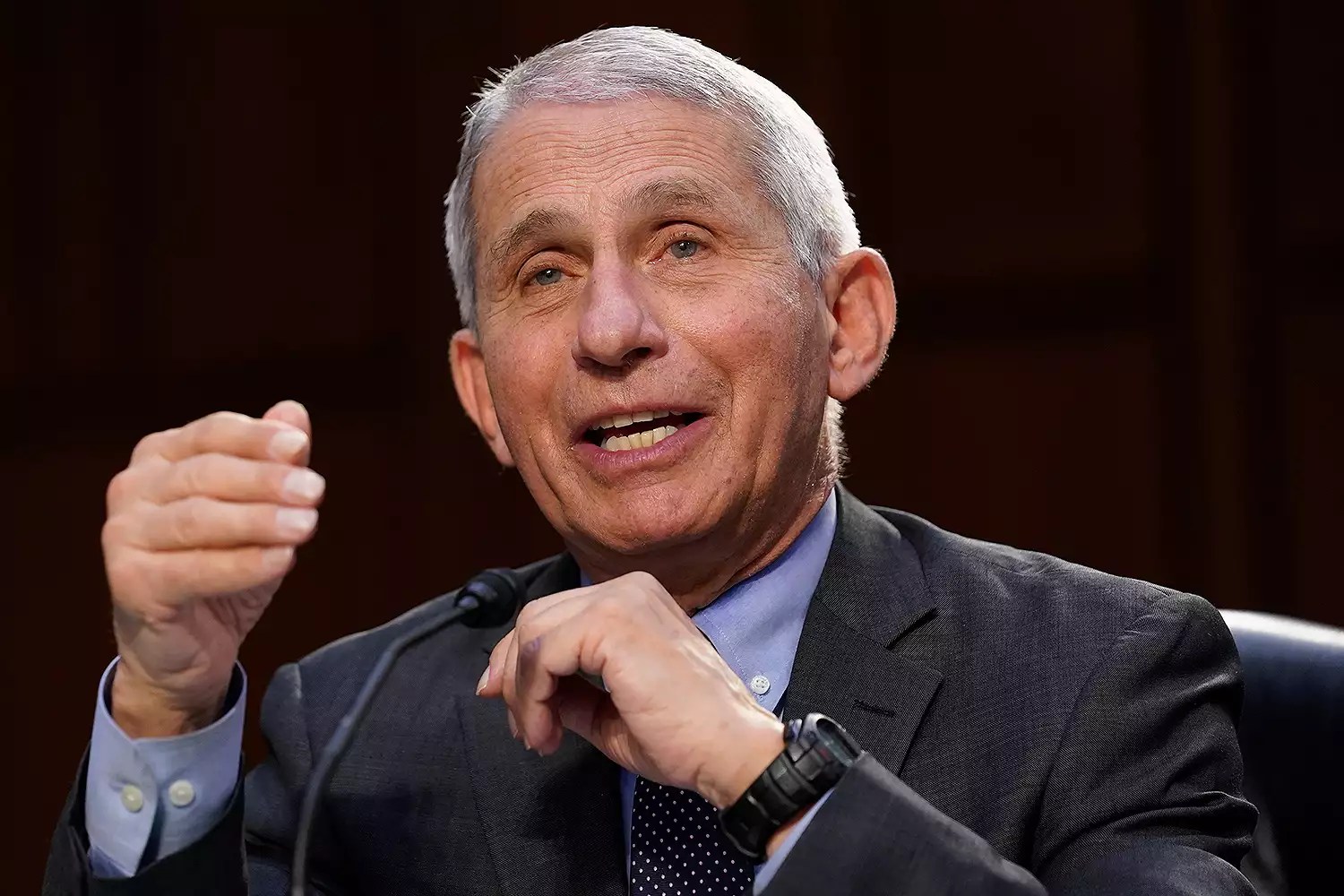
Dr. Anthony Fauci.Susan Walsh/AP/Bloomberg via Getty
As was the case with previous COVID-19 vaccine approvals, an advisory committee for the CDC will consider the emergency authorization for a third shot of Pfizer and Moderna. The CDC can issue a recommendation the same day. (The committee is scheduled to meet on Friday.)
The path forward for immunocompromised individuals that received the Johnson & Johnson vaccine remains unclear. The FDA is awaiting the results of clinical trial data on the safety and efficacy of two doses before determining whether or not to expand the use of the single-dose vaccine, theTimesreported.
In April, France began offering additional vaccine doses to certain individuals with poor immune responses. Germany and Hungary have done so as well.
source: people.com
